





Symptoms of Cervical Spinal Stenosis: Causes, Diagnosis & Treatment
Introduction
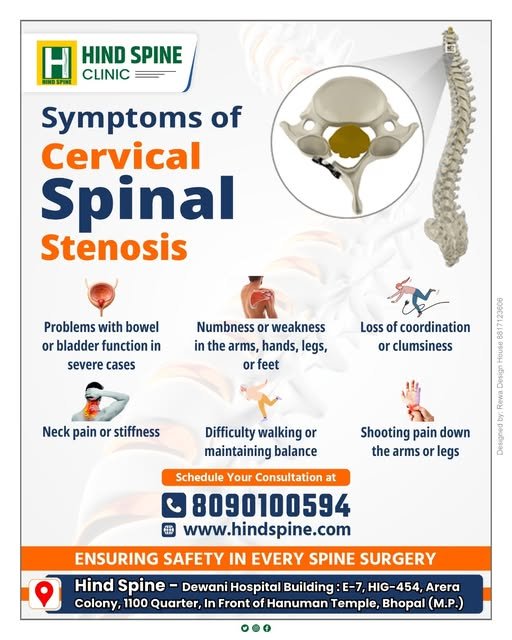
Cervical spinal stenosis symptoms occur when the spinal canal in the neck becomes narrow and compresses the spinal cord or nerves. Common cervical spinal stenosis symptoms include neck pain, numbness in the arms or legs, weakness, and difficulty maintaining balance. Identifying cervical spinal stenosis symptoms early helps patients receive timely treatment and prevent serious neurological complications.
What is Cervical Spinal Stenosis?
Cervical spinal stenosis occurs when the space inside the spinal canal in the neck becomes smaller. This narrowing can compress the spinal cord and nerves, leading to various neurological symptoms. The condition is commonly seen in older adults due to age-related degeneration of the spine, but it can also occur due to injuries or other spinal disorders.
Common Cervical Spinal Stenosis Symptoms
Symptoms may develop gradually and worsen over time depending on the level of nerve compression. Common symptoms include:
1. Neck Pain or Stiffness
One of the earliest symptoms is persistent neck pain or stiffness. The pain may worsen with movement or prolonged sitting.
2. Numbness or Weakness in Limbs
Patients may experience numbness, tingling, or weakness in the arms, hands, legs, or feet due to nerve compression.
3. Shooting Pain Down the Arms or Legs
Some people feel sharp or electric-like pain radiating from the neck down the arms or legs.
4. Loss of Coordination or Clumsiness
Fine motor skills such as writing, buttoning clothes, or holding objects may become difficult.
5. Difficulty Walking or Maintaining Balance
Compression of the spinal cord can affect coordination and balance, making walking unstable.
6. Problems with Bowel or Bladder Function
In severe cases, nerve compression may affect bladder or bowel control, which requires immediate medical attention.
Causes of Cervical Spinal Stenosis Symptoms
Several factors can lead to narrowing of the spinal canal, including:
Age-Related Degeneration
The most common cause is wear and tear of the spine due to aging.
Herniated Disc
A damaged disc can bulge or rupture and press on spinal nerves.
Bone Spurs
Arthritis can cause extra bone growth that narrows the spinal canal.
Thickened Ligaments
Ligaments in the spine may thicken over time and reduce space in the spinal canal.
Spinal Injuries
Accidents or trauma to the spine can also lead to cervical stenosis.
Risk Factors
Certain factors increase the risk of developing cervical spinal stenosis:
- Age above 50 years
- Osteoarthritis or spinal degeneration
- Previous spinal injury or surgery
- Congenital narrow spinal canal
- Poor posture and sedentary lifestyle
Diagnosis of Cervical Spinal Stenosis Symptoms
Doctors diagnose cervical spinal stenosis through:
Physical Examination
Checking reflexes, muscle strength, balance, and coordination.
Imaging Tests
- X-ray – shows bone structure
- MRI Scan – provides detailed images of nerves and spinal cord
- CT Scan – helps identify narrowing of the spinal canal
These tests help determine the severity and location of the compression.
Treatment Options for Cervical Spinal Stenosis Symptoms
Treatment depends on the severity of symptoms.
Non-Surgical Treatment
For mild cases, doctors may recommend:
- Pain medications
- Physiotherapy
- Lifestyle modifications
- Neck strengthening exercises
- Posture correction
Surgical Treatment
If symptoms are severe or worsening, surgery may be required to relieve pressure on the spinal cord. Advanced spine surgery techniques are designed to improve safety, recovery time, and mobility.
When to See a Doctor for Cervical Spinal Stenosis Symptoms
You should consult a spine specialist if you experience:
- Persistent neck pain
- Numbness or weakness in arms or legs
- Difficulty walking
- Balance problems
- Loss of bladder or bowel control
Early diagnosis and treatment can prevent permanent nerve damage.
Conclusion
Cervical spinal stenosis is a serious spinal condition that can significantly affect daily life if left untreated. Recognizing the symptoms early and seeking medical advice can help manage the condition effectively. With modern diagnostic tools and advanced spine surgery techniques, patients can achieve relief from pain and regain mobility.
Comments are closed