Management Of Osteoporosis
Management of Osteoporosis
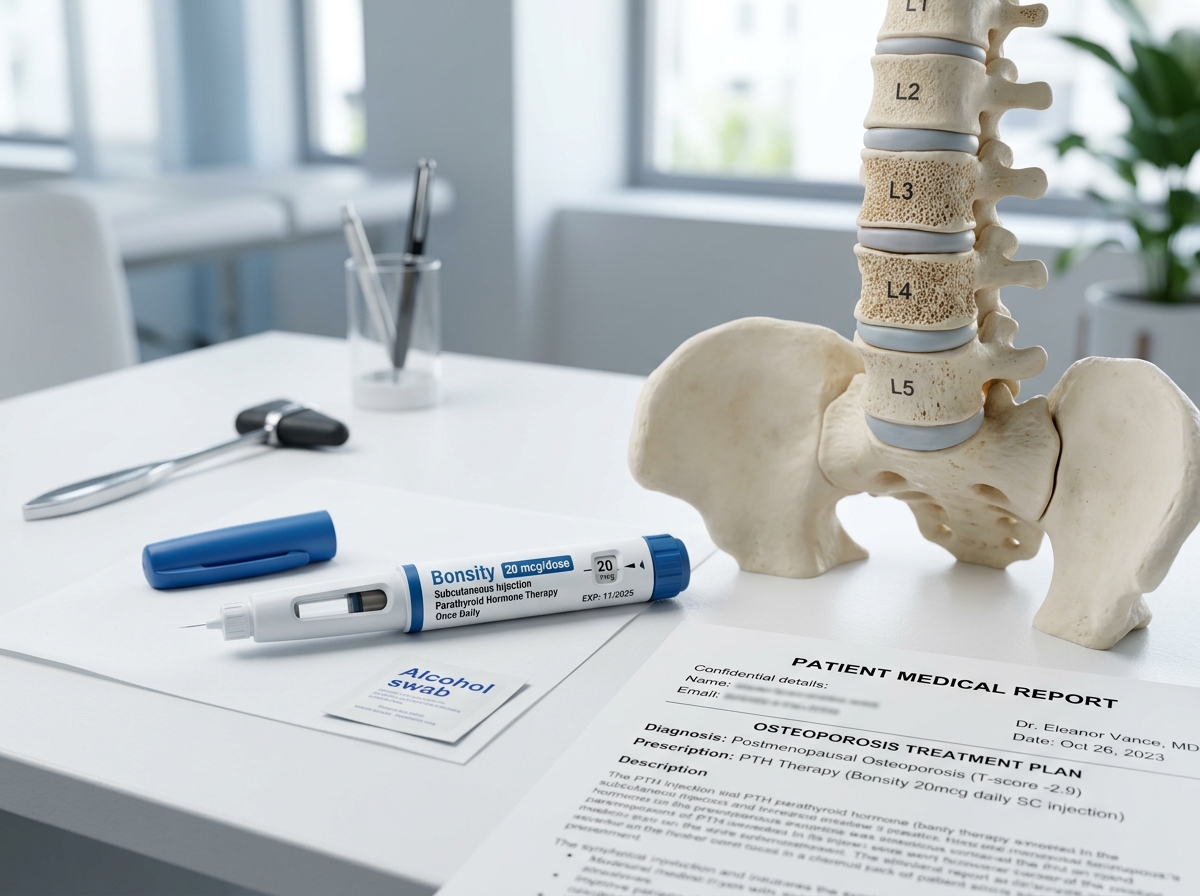
Osteoporosis is a skeletal disorder characterized by compromised bone strength, predisposing individuals to an increased risk of fractures. It occurs when bones lose minerals, such as calcium, more quickly than the body can replace them, leading to a decrease in bone density and an alteration in bone structure. This deterioration makes bones fragile and more susceptible to breaks, often occurring from minor falls or, in severe cases, from simple actions like bending over or coughing. Although osteoporosis can affect any bone, the hips, wrists, and spine are most commonly involved. It is a silent condition, typically remaining undetected until a fracture occurs, making early diagnosis through bone density tests crucial. Risk factors include aging, hormonal changes, especially in postmenopausal women, insufficient intake of calcium and vitamin D, a sedentary lifestyle, smoking, and excessive alcohol use. Prevention and treatment focus on lifestyle changes, dietary supplements, and medications that help preserve bone density and reduce fracture risk.
Treatment Gallery
Frequently Asked Questions
Osteoporosis is a bone disease characterized by decreased bone density and quality, making bones weak and more likely to fracture. It often progresses without any symptoms until a bone breaks.
Risk factors include aging, being female (especially postmenopausal), a family history of osteoporosis, low body weight, calcium and vitamin D deficiencies, smoking, excessive alcohol consumption, and the prolonged use of certain medications like corticosteroids.
Osteoporosis is often called a "silent disease" because there are typically no symptoms in the early stages. Once bones are weakened, symptoms may include back pain caused by a fractured or collapsed vertebra, loss of height over time, a stooped posture, and bone fractures that occur much more easily than expected.
It is primarily diagnosed using a bone mineral density (BMD) test, most commonly a dual-energy X-ray absorptiometry (DEXA) scan. This painless and quick test measures the density of bones, usually at the hip and spine, to determine your fracture risk.
Yes, while there is no complete cure, osteoporosis can be effectively managed and treated. Treatment involves lifestyle modifications, ensuring adequate calcium and vitamin D intake, doing weight-bearing exercises, and taking specific medications like bisphosphonates to slow bone loss and increase bone density.
Prevention starts early in life with a diet rich in calcium and vitamin D alongside regular weight-bearing exercises. Quitting smoking, limiting alcohol intake, preventing falls in the home, and getting regular bone density screenings after menopause are also crucial preventive steps.