
Management Of Spine Trauma
Management Of Spine Trauma
Spine trauma refers to any injury to the spinal cord, vertebrae, or surrounding tissues caused by physical impact, accidents, or other trauma. These injuries can result in severe pain, neurological impairment, and in some cases, paralysis. Prompt and effective management of spine trauma is critical to prevent further damage and to improve recovery outcomes. The management process includes initial stabilization, diagnostic assessment, surgical and non-surgical treatments, and rehabilitation.
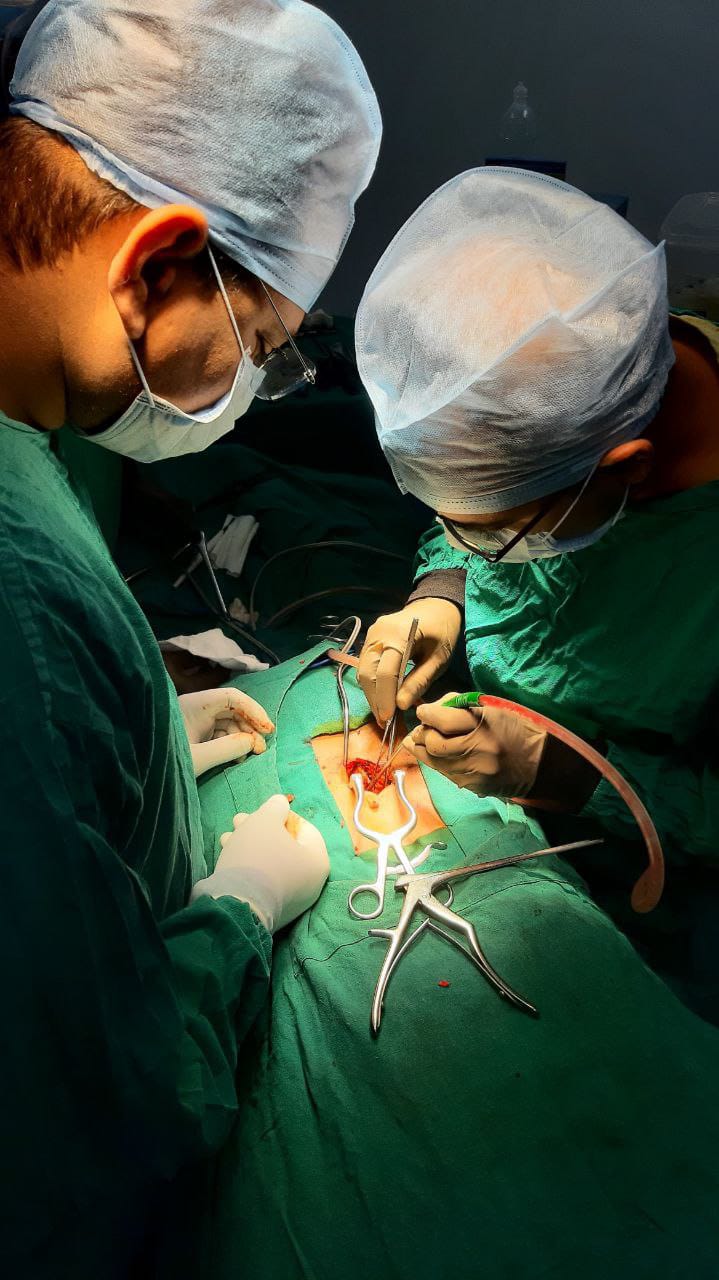
Initial Management: Emergency Response and Stabilization
- Cervical Collars: To prevent neck movement.
- Spine Boards: To ensure complete spinal immobilization during transport.
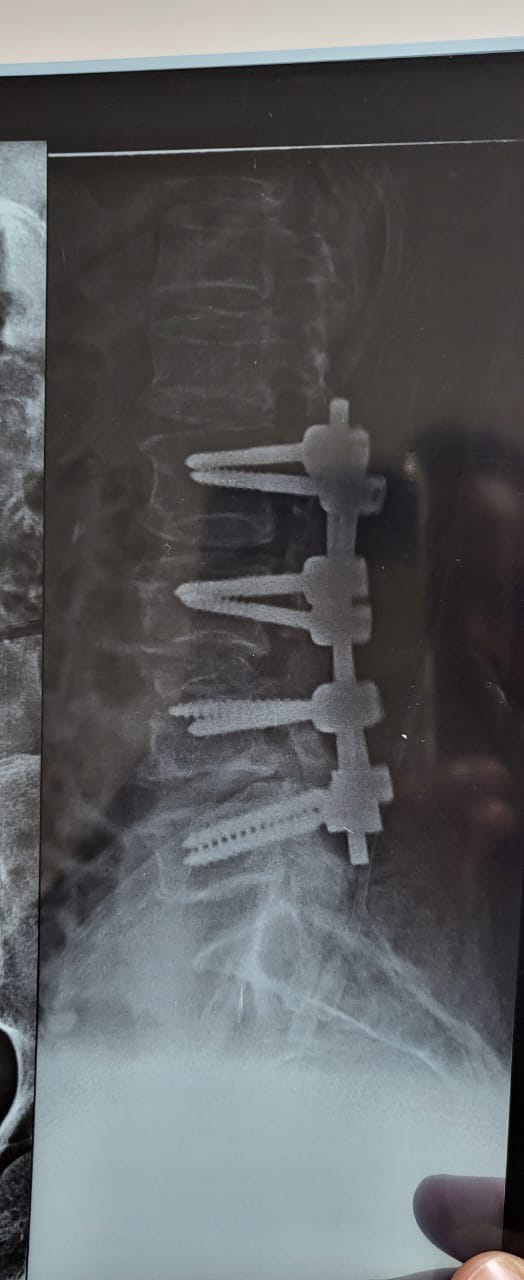
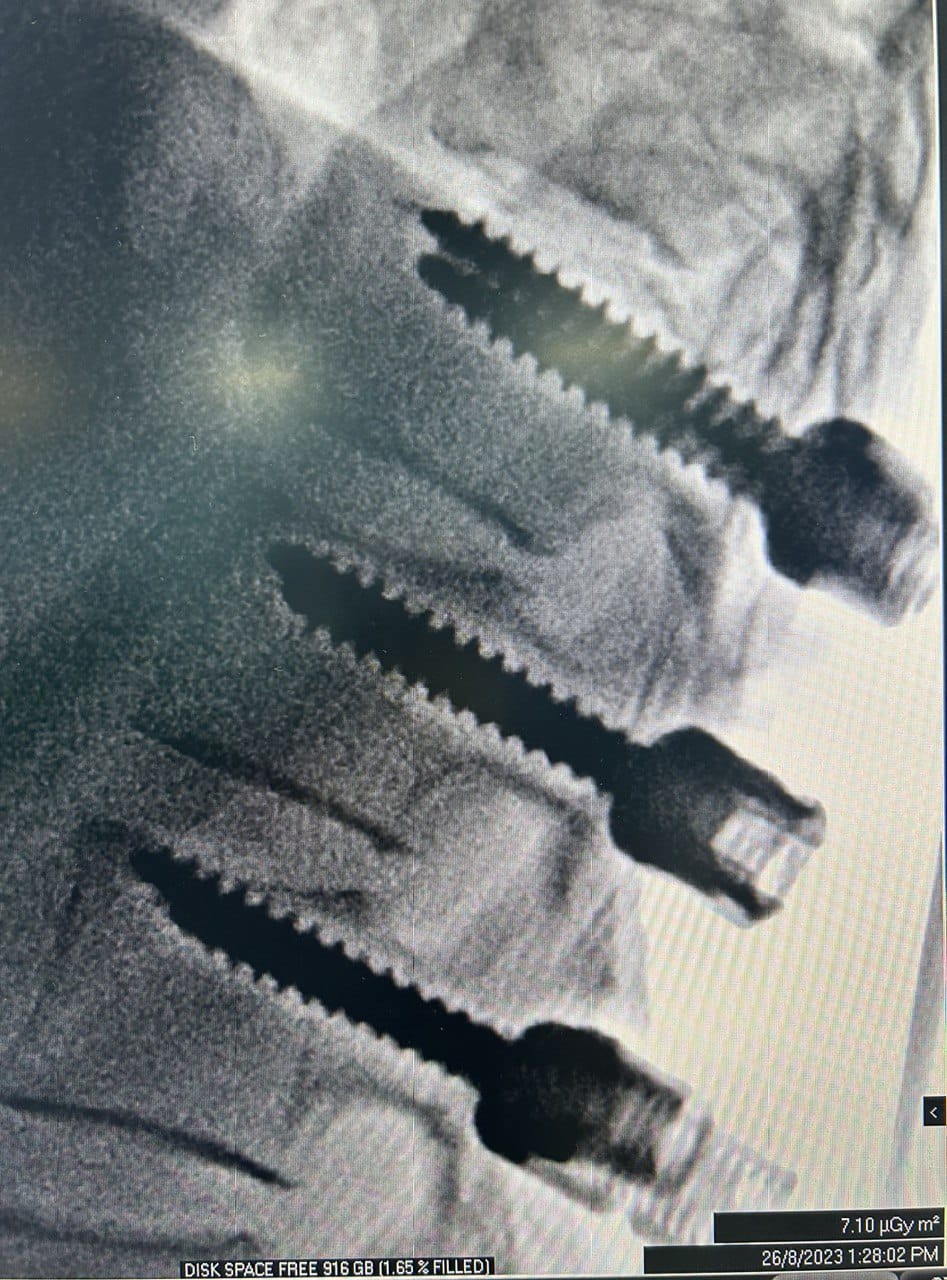
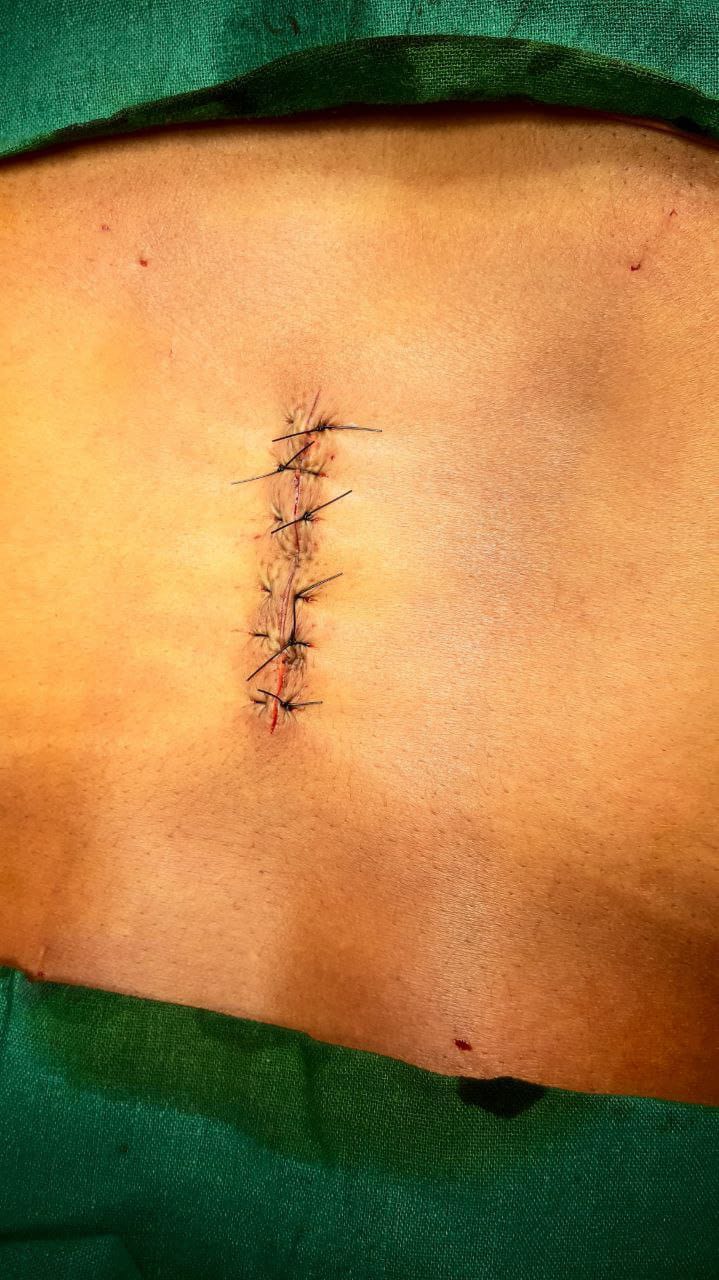
Treatment Gallery
Frequently Asked Questions
Spine trauma refers to injuries to the spine caused by accidents, falls, or other physical impacts. These injuries can range from fractures and dislocations to severe damage to the spinal cord, which may lead to paralysis.
The most common causes are motor vehicle accidents, falls from significant heights, high-impact sports injuries, and violent acts such as gunshot or stab wounds.
Diagnosis typically involves a comprehensive neurological examination followed by advanced imaging techniques. This includes X-rays to spot fractures, CT scans for detailed bone images, and MRI scans to assess soft tissue and spinal cord damage.
Symptoms vary depending on the severity and location of the injury. They often include extreme pain or pressure in the neck or back, weakness, numbness or paralysis in the extremities, and a loss of bladder or bowel control.
Treatment is highly dependent on the severity of the injury. It ranges from conservative management—like rigid bracing and medication for stable fractures—to complex surgical procedures for unstable fractures or to decompress the spinal cord.
Surgery is typically required when the trauma causes significant instability of the spine, severe compression of the spinal cord or nerves, or when the patient is experiencing worsening neurological symptoms that demand immediate intervention.