Spinal Fusion Surgeries For Degenerative Disorders
Spinal Fusion Surgeries For Degenerative Disorders
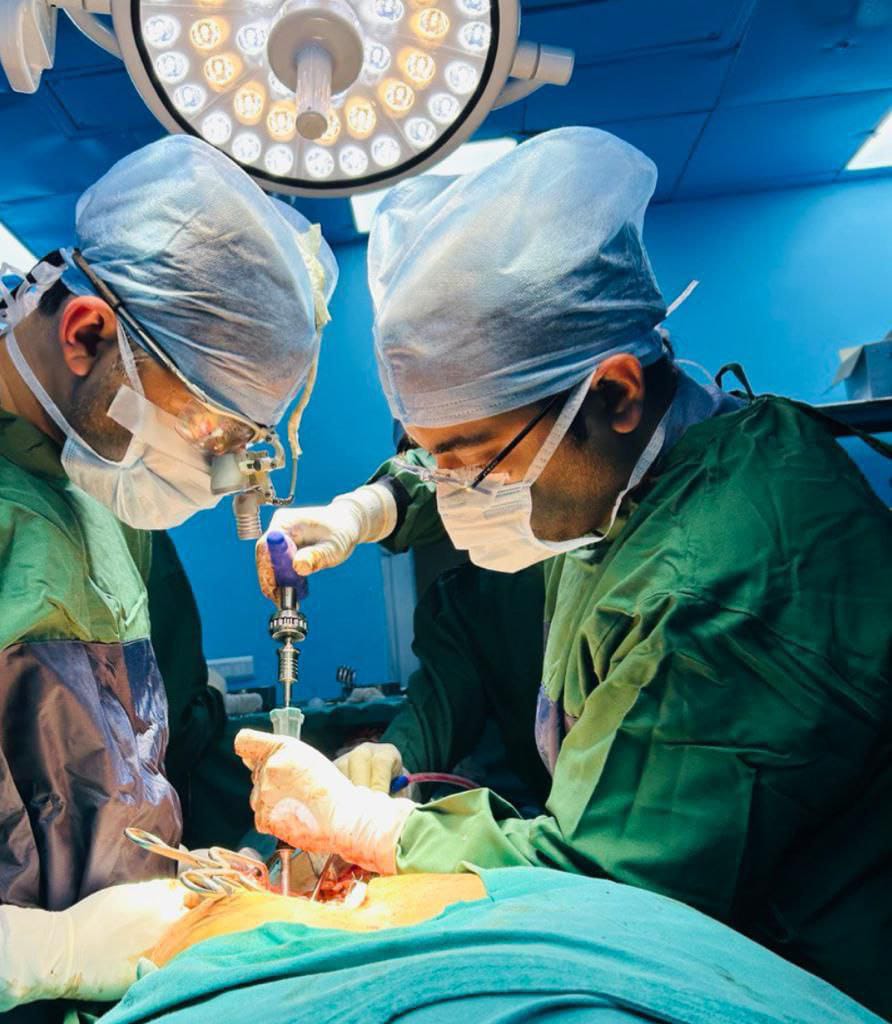
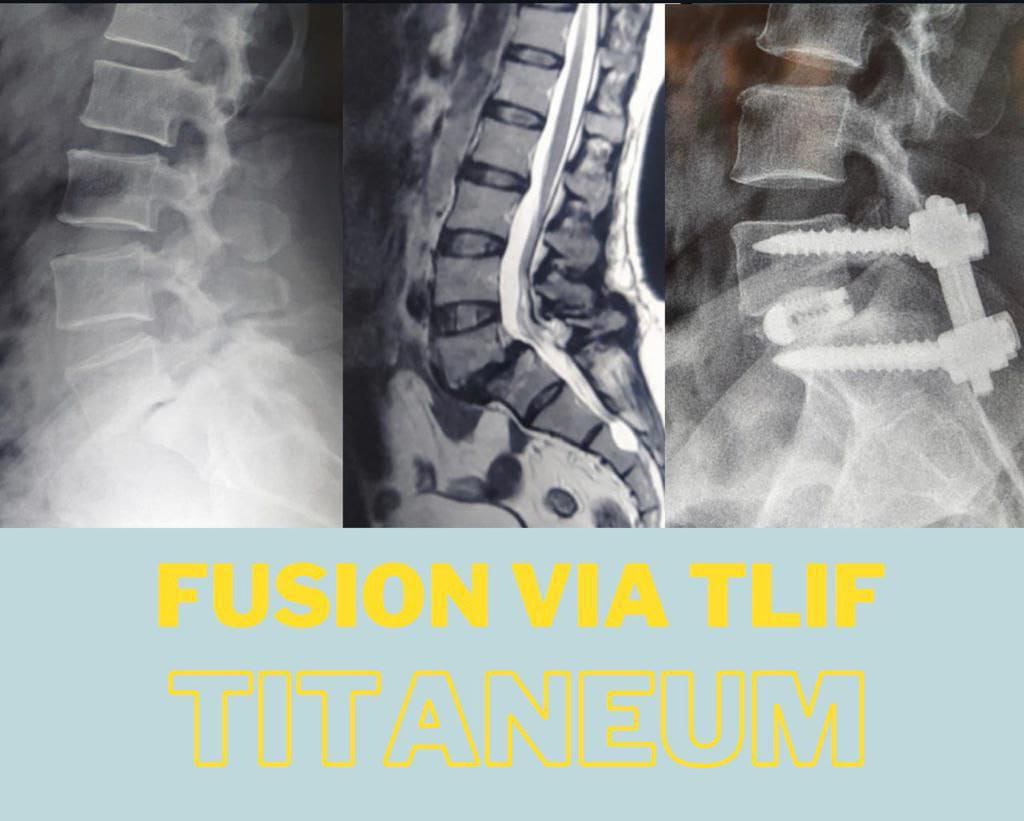
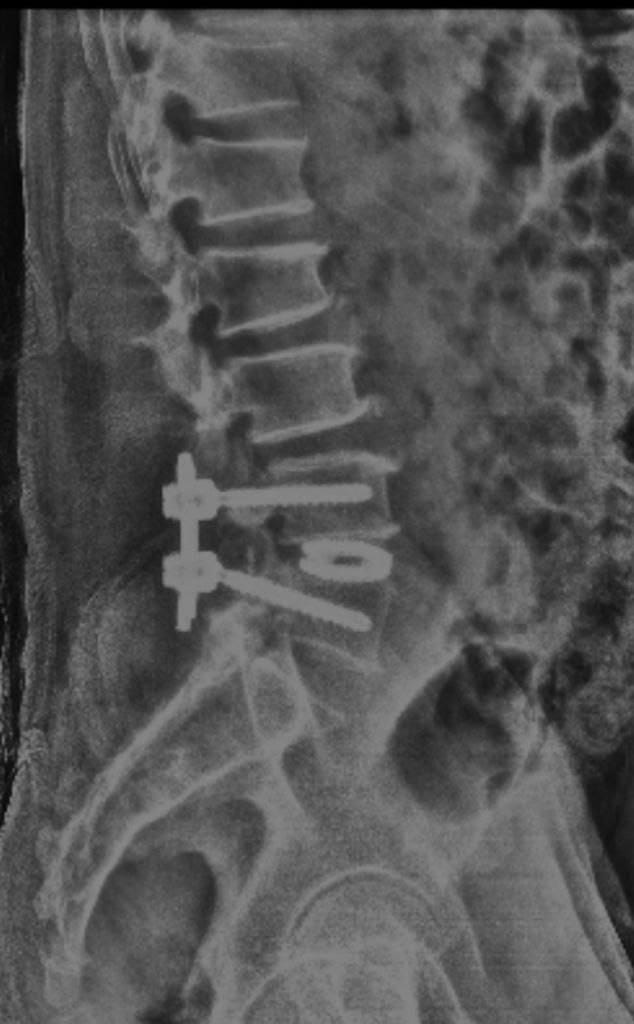
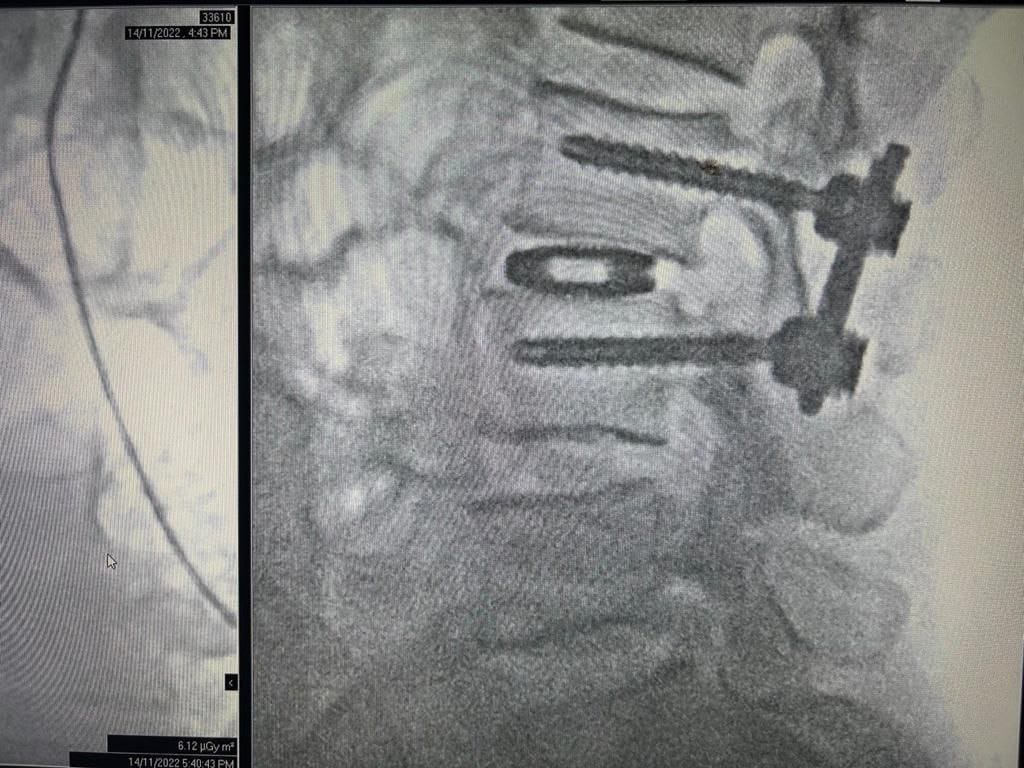
Spinal fusion is a surgical technique used to join two or more vertebrae in the spine to prevent any movement between them. This procedure is often recommended for patients experiencing chronic pain due to conditions such as degenerative disc disease, spinal stenosis, spondylolisthesis, scoliosis, or vertebral fractures that have not responded to conservative treatments. The fusion process involves removing the intervertebral disc(s) and replacing them with bone graft material, which, over time, heals and creates a single, solid bone. Metal plates, screws, and rods may be used to hold the vertebrae together while the bone graft heals, providing stability to the spine. The goal of spinal fusion is to reduce pain and restore spinal stability, potentially improving the patient's quality of life. However, it's a significant procedure with a considerable recovery period, and patients typically undergo rehabilitation to regain strength and mobility.
Treatment Gallery
Frequently Asked Questions
Spinal fusion is a surgical procedure aimed at joining two or more vertebrae together to eliminate motion between them, thereby reducing pain and restoring stability to the spine. This is often done using bone grafts, metal rods, and screws.
It is performed to treat conditions that cause pain or instability, such as degenerative disc disease, spondylolisthesis, severe scoliosis, spinal fractures, or herniated discs that haven't improved with non-surgical treatments.
As with any major surgery, risks include infection, bleeding, nerve damage, or a condition called pseudarthrosis, where the bones fail to fuse completely requiring further treatment.
Recovery can take several months. Patients typically wear a brace and undergo physical therapy. While initial surgical pain subsides in a few weeks, full bone fusion and return to strenuous activities can take 6 months to a year.
Spinal fusion is generally highly successful in eliminating the targeted motion that causes pain and restoring structural stability to the spine, though individual outcomes vary based on the underlying condition and overall health.
Alternatives may include artificial disc replacement, dynamic stabilization devices, or continuing with rigorous non-surgical management like physical therapy and injections, depending on your specific diagnosis and condition.